Regional Malaria Elimination Initiative
The challenge
In 2017, malaria cases across Central America and the Caribbean had fallen by more than 90%, but the region had stalled. Countries were close to elimination, yet persistent transmission kept the goal out of reach.
Fully eliminating a disease is very difficult, but it is worth the effort. A malaria-free country no longer bears the burden of preventable illness and death, lost productivity and the ongoing costs of fighting a disease.
But the final push is the hardest. It’s expensive, technically demanding and politically difficult to sustain as the disease burden shrinks and attention fades. And elimination only holds on a regional basis. With people moving freely across borders, one country’s resurgence can become its neighbors’ problem.
The opportunity
Through its Salud Mesoamerica initiative, the Inter-American Development Bank had demonstrated its growing willingness to lend to countries to help them reach their health goals — if those countries could also secure catalytic grant funding from others and meet performance-based milestones.
The Health Finance Coalition — which later became part of BillionScale Health — saw an opportunity to apply this model to malaria elimination.
Working as the IDB’s design partner, the team helped structure, broker and fundraise for the Regional Malaria Elimination Initiative. It assembled the needed catalytic funders: the Global Fund, the Gates Foundation and the Carlos Slim Foundation. Seven countries in the region came on board.
Multiplying catalytic capital
The Regional Malaria Elimination Initiative mobilized $183.6 million through a blended finance facility combining IDB lending, domestic government budgets and catalytic grants. Countries unlocked grant funding only when they hit agreed-upon malaria reduction targets.
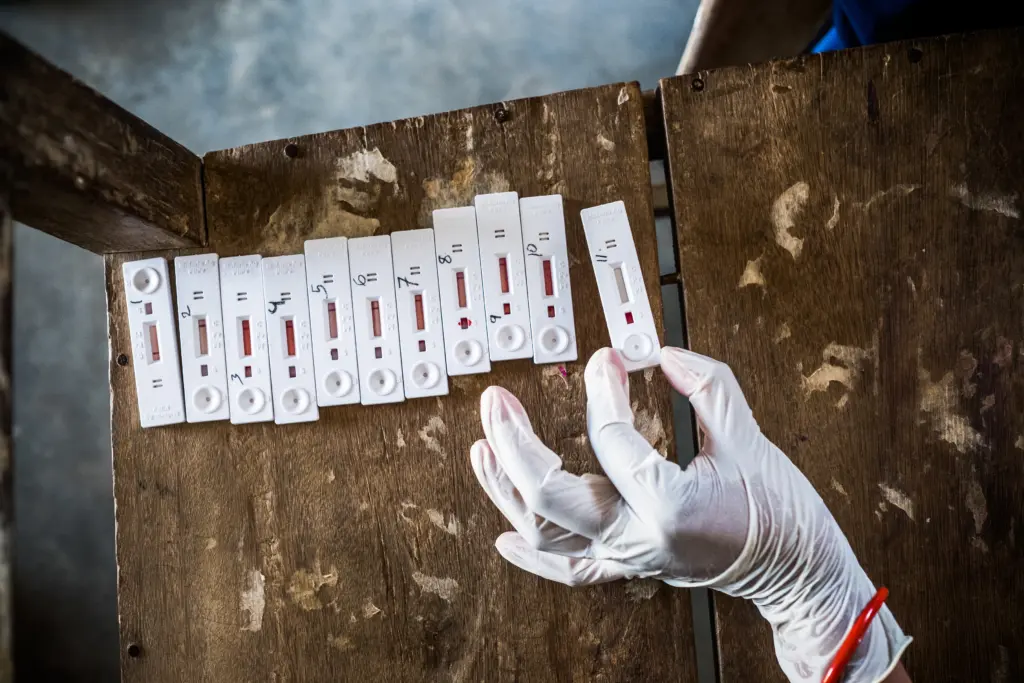
The initiative financed evidence-based and cost-effective interventions, including vector control, case management and disease surveillance. In parallel, training and technical assistance from PAHO and CHAI closed capacity gaps in national malaria programs.
The results were clear. El Salvador was declared malaria-free in 2021. Belize followed in 2023. And in Escuintla, Guatemala — once one of the region’s highest-burden areas — malaria cases fell by 96%.