Open Doors African Private Healthcare Initiative
The challenge
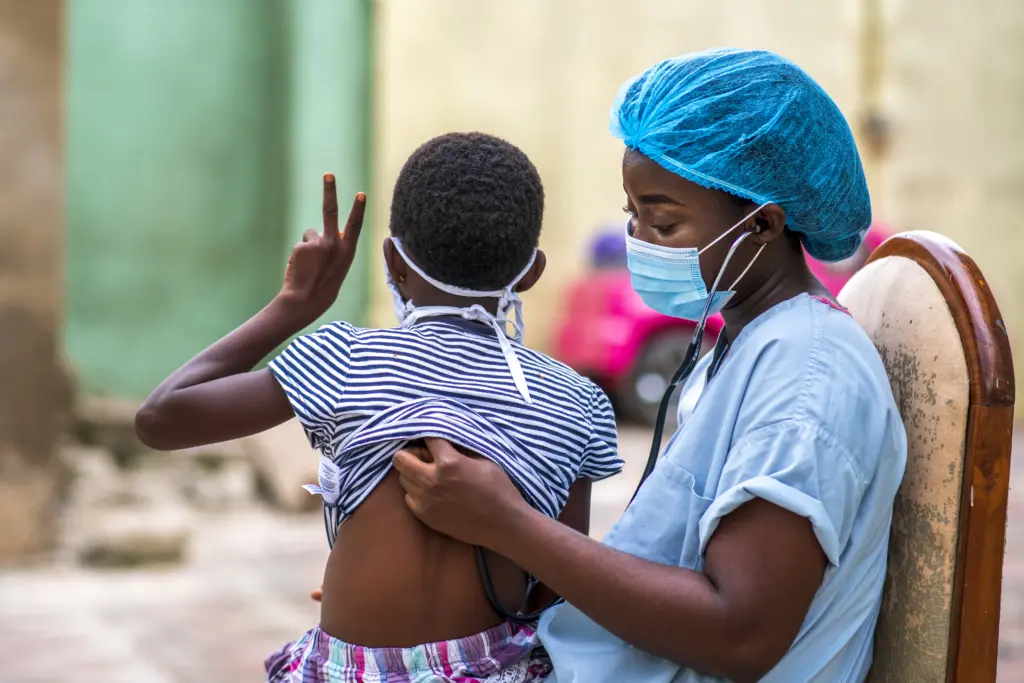
When COVID-19 hit, Africa’s clinics and pharmacies faced a double crisis. The pandemic crippled healthcare systems across the region. And as lockdowns emptied waiting rooms, revenues collapsed. In some places, foot traffic and revenues fell by 30-40%. Patients avoided care out of fear. Malaria treatments went undelivered. Families skipped routine vaccinations.
Frontline facilities desperately needed emergency capital, but traditional lenders couldn’t move fast enough, if at all. Inflexible rules designed to reduce risk kept funders from serving the providers who needed it most.
At a moment when Africa needed high-functioning pharmacies and clinics, they were struggling just to keep their doors open.
The opportunity
BillionScale Health responded to the crisis by creating the Open Doors African Private Healthcare Initiative. ODAPHI was one of the first structured financial solutions to address the crisis that hit Africa’s private health sector.
The Health Finance Coalition — which later became part of BillionScale Health — assembled a $19.7 million loan guarantee facility, bringing together the U.S. International Development Finance Corporation, the President’s Malaria Initiative, The Rockefeller Foundation, the Skoll Foundation and the MCJ Amelior Foundation. A bridge guarantee got money out the door rapidly as the partners worked to stand up the full facility.
The result was $30 million in emergency working capital loans deployed through the Medical Credit Fund to frontline providers across five African countries. ODAPHI paired these loans with training to ensure facilities could operate safely.
Proving the model
ODAPHI demonstrated what blended finance can do when it moves with urgency. By stacking catalytic and institutional capital — with each funder providing leverage and reducing risk for the others — the initiative unlocked real money without realizing much downside risk. The overwhelming majority of guarantees were never called.
The facility supported 6.12 million patient visits, with 58% reaching low-income patients and 61% reaching women. Today, healthcare SMEs that once feared closure are still open and still delivering the care their communities rely on.